After an accident, the details that explain what happened can change quickly. Photos may be lost, a damaged item may be repaired, and memories may become less precise. Knowing how to preserve California personal injury evidence can help you keep an organized record while you focus on your health and your family.
Call (323) 496-2574 for a free first consultation about your California personal injury matter. You can also learn about the firm's personal injury services.
This checklist is general information, not a case evaluation or a substitute for legal advice. Every injury claim depends on its facts, the available evidence, and the law that applies. If you are unsure what to preserve or what to say to an insurer, consider speaking with a California personal injury attorney before making decisions that could affect your claim. The California Courts self-help guide on personal injury cases says you usually have two years from the injury to sue, and that a claim against a government agency can have a shorter deadline.
What counts as personal injury evidence?
Evidence is information that helps show what happened, who was involved, what injuries followed, and how the incident affected your life. It can be direct, such as a photograph taken at the scene, or it can be supporting information, such as a calendar showing missed work and medical appointments.
Useful evidence often includes:
- Photographs and videos of the scene, visible injuries, damaged belongings, and conditions that may have contributed to the incident.
- Names and contact information for witnesses, responding officers, property owners, employers, and medical providers.
- Medical records, bills, prescriptions, work restrictions, and notes about symptoms and treatment.
- Incident reports, claim information, messages, emails, letters, and other communications.
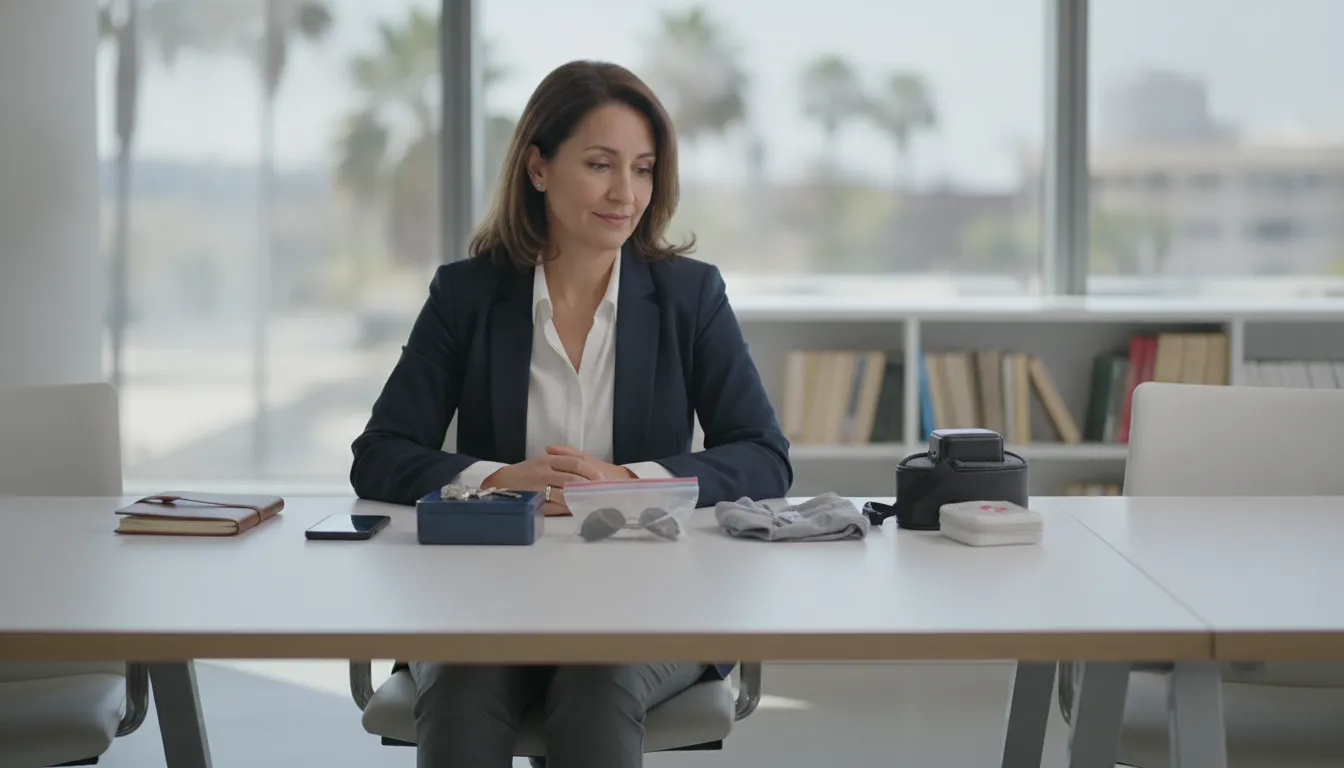
- Physical items that may help explain the event, including damaged clothing, safety equipment, or personal property.
- A clear timeline that connects the incident with treatment, missed work, daily limitations, and recovery.
No single item proves an entire claim. A consistent set of records is usually more useful than a large collection of disconnected files. Start with what you have and add to the file as information becomes available.
Start with the scene and preserve what may disappear
Some of the most helpful evidence exists only for a short time. Weather changes, debris is removed, businesses overwrite surveillance footage, and people forget what they saw. If it is safe and you are physically able to do so, document the scene soon after the incident. Do not put yourself or anyone else in danger to take a photograph.
Photograph the overall setting
Take wide photographs that show where the incident occurred, then take closer photographs of important details. Depending on the event, that may include vehicle positions, visible damage, lighting, signs, sidewalks, stairs, spilled substances, obstacles, broken equipment, or other conditions. Capture several angles rather than relying on one close-up. Keep the original files and avoid editing them in a way that changes what they show.
When possible, keep information about when and where each photo was taken. A simple note in your incident file can identify the date, approximate time, location, and what each image shows. If another person took photographs, ask that person to preserve the original files as well.
Ask about video promptly
Nearby businesses, residences, vehicles, and public areas may have cameras. You may not be able to obtain a recording yourself, but you can note where cameras appear to be located and identify the people or businesses that may control the footage. Write down when you noticed the camera and what area it seemed to cover. Tell an attorney about possible footage promptly so the right preservation request can be considered.
Record the conditions in your own words
As soon as you reasonably can, write a short account of what you remember. Include what you were doing immediately before the incident, what you noticed, what happened next, and who was present. Do not guess about details you did not observe. If you later remember something differently, keep the earlier note and add a dated clarification rather than silently replacing it.
What to save first, by situation
Car, motorcycle, or pedestrian crash. Save vehicle positions, plates, damage, and visible injuries first. Dashcam files and a car that is towed are easy to lose.
Slip or fall. Save the floor, your shoes, lighting, and any warning sign first. A spill that is cleaned up, and store video, are easy to lose.
Dog bite. Save the wound, torn clothing, and the location first. Washed clothing and a wound that heals are easy to lose.
Brain injury or other serious harm. Save the first hospital papers and a dated symptom note first. Early symptoms nobody wrote down are easy to lose.
Wrongful death. Save records the family already holds, and names of people present. Accounts only the person who died could open are easy to lose.
Gather witness information carefully
Witnesses can remember details that the people directly involved did not see. A witness may have observed the condition of a walkway, the direction of travel, the sequence of events, or what happened immediately afterward.
For each witness, record the person's name and the best available contact information. Note how the person came to be present and what the person appeared to observe. Do not coach a witness, ask the person to adopt your wording, or argue about the event. A neutral note about what the witness said is more useful than a statement written to reach a desired conclusion.
If a witness offers a written statement, preserve the original and note when it was made. Do not pressure a witness who is uncomfortable. Share the information with your attorney rather than trying to manage every later conversation yourself.
Build a medical evidence file
Medical evidence can help connect an incident with the symptoms and treatment that followed. Keep a personal record of the date of the incident, when symptoms began, the providers you visited, the care you received, and the changes you noticed. Use your own words and avoid trying to diagnose yourself.
Keep copies of documents you receive, such as:
- Discharge instructions and appointment summaries.
- Prescriptions, invoices, bills, and explanation-of-benefits documents.
- Work restrictions, disability notes, and records of missed shifts.
- Referrals, therapy plans, imaging reports, and follow-up instructions.
- Notes about symptoms, sleep, mobility, pain, concentration, and activities that became difficult.
Attend recommended appointments and follow medical instructions as best you can. If you cannot attend an appointment, keep a note explaining why and contact the provider about rescheduling. Do not stop treatment or change a treatment plan because of a claim issue without discussing it with your medical provider.
Keep medical information in a secure location. Avoid posting detailed medical information or photographs of injuries publicly. A social-media post can be copied or taken out of context even if you later delete it.
Keep a daily impact journal
A daily journal can preserve details that may not appear in a bill or clinical note. Write briefly and consistently. You might record pain or other symptoms, sleep problems, transportation difficulties, household tasks you could not complete, activities you had to avoid, and how the injury affected work or family responsibilities.
A journal should be honest rather than dramatic. Include improving days as well as difficult days. If a symptom is unchanged, say so. Date each entry and keep the original entries together. A calendar, appointment log, or notes application can work if it is used consistently and backed up securely.
Preserve work and financial records
An injury can affect more than medical treatment. Preserve information showing time away from work, reduced hours, changed duties, missed opportunities, and expenses related to transportation, care, equipment, or other needs. Keep pay records and employer communications that relate to time missed or restrictions.
Organize these records by date. A simple list can identify the expense, amount, date, reason, and whether you have a receipt. Keep receipts and original documents when available. Do not estimate an amount and present it as a documented expense. Mark an estimate as an estimate and explain how you calculated it.
Save communications and claim information
Create a separate folder for communications about the incident. Preserve letters, emails, text messages, claim numbers, appointment notices, and notes of phone calls. For a call, write down the date, the name of the person you spoke with, the company or organization, and a neutral summary of what was discussed.
Be careful with statements made before you understand the full situation. Answer questions honestly, but do not guess, exaggerate, or volunteer a theory you cannot support. Do not sign a release, settlement document, or other agreement without understanding what rights it may affect. If you receive a request that is unclear or time-sensitive, keep the request and ask a qualified attorney for advice.
Do not secretly record a conversation or share another person's private information without understanding the rules that may apply. When in doubt, preserve the communication and discuss it with counsel.
Protect physical evidence
Keep damaged clothing, shoes, helmets, child restraints, personal items, and other physical evidence in a clean, secure place when practical. Do not throw an item away, alter it, repair it, or give it to someone else without documenting what happened. If an item must be repaired or replaced for safety, take photographs first and keep estimates, receipts, and any removed parts or materials when possible.
For a vehicle or other large item, document its condition and where it is stored. Tell the repair facility or storage provider that you want records of work performed and parts changed. Keep inspection reports, estimates, invoices, and photographs. An attorney can help determine which records and items should be preserved for your particular matter.
Review your digital evidence
Photos, videos, location history, calendar entries, ride receipts, messages, and other digital information may help establish timing and movement. Preserve original files rather than relying only on screenshots. Screenshots can be useful, but they may leave out surrounding messages, account information, or the original file data.
Back up important files in a secure location. Keep a note identifying the device or account where an item originated. Do not alter timestamps, crop out relevant context, or use filters on an image you may need to rely on later. If a file is stored in an account that may be closed, download a copy and preserve the original account information as safely as you can.
Use social media cautiously
Assume that public posts, comments, photographs, check-ins, and videos may be viewed by an insurer or opposing party. Do not post a detailed account of the incident, arguments about fault, photographs that could be misunderstood, or statements about how quickly you recovered. Ask friends and family not to post about your injury or tag you in related content while your matter is under review.
Do not delete or alter existing content just because it feels unhelpful. Deleting information can create additional questions about what was changed. Instead, preserve the content and ask an attorney how to handle it. Also be wary of accepting new connection requests from people you do not know or discussing the claim in direct messages.
What not to do when preserving evidence
- Do not guess about facts, fill in missing details, or change a record to make it sound more certain.
- Do not discard damaged items, original photographs, messages, or notes without first considering whether they may matter.
- Do not edit or overwrite original digital files when a copy can be made instead.
- Do not post a public argument about fault, your treatment, or the value of your claim.
- Do not contact a witness repeatedly or suggest what the witness should say.
- Do not assume that an incident report, an insurance decision, or a medical bill tells the complete story.
- Do not send sensitive personal information through an unverified channel. Ask how documents should be shared securely.
When should you talk with a lawyer about California personal injury evidence?
Consider getting legal guidance when the injury is serious, fault is disputed, multiple people or businesses are involved, an insurer asks you to sign a release, or you are unsure how to preserve important evidence. You may also want advice if your symptoms continue, your ability to work is affected, or you are facing substantial expenses.
California personal injury matters can involve rules and deadlines that depend on the type of claim and the people or entities involved. The safest approach is not to assume that a general checklist answers every legal question. Bring your timeline, photographs, witness information, medical and work records, and communications to a consultation if you have them. You can explain what you know without trying to organize the case perfectly first.
Law Offices of Misoo Choi represents injured people across California in car, motorcycle, and pedestrian accidents, slips and falls, dog bites, catastrophic and brain injuries, and wrongful death. A related California car accident lawyer guide covers how to compare help after a crash. This article stays on the records themselves. The firm offers a free first consultation so you can discuss the facts and learn what information may be useful for the next step. No result is guaranteed, and an attorney can explain how the facts of your matter affect the available options.
Frequently asked questions
What should I save in the first two days?
Start with medical care. Then keep scene photos, names of people who saw it, and any video that might erase itself. Clothing and shoes matter if they show a fall or a bite. A full file can come later. The first two days are for items that disappear.
Does an incident report replace my own photos?
No. A report can list names and a diagram, and it can still miss details. Your photos, video, and medical papers belong in the same folder. Keep any report number so the official report can be added later.
How long should I keep California personal injury evidence?
Keep it at least through the deadline that applies to your claim, and longer if a claim or lawsuit is open. Many injury lawsuits must be filed within two years. A claim involving a public entity can be much shorter. Ask before you throw records away.
Should I explain fault to the other insurer right away?
You can confirm that you are hurt and where you are getting care. You do not have to guess about speed, distance, or blame. Save the letter or the note of the call. Do not sign a release during that first conversation.
Quick preservation checklist
Use this list as a starting point, then tailor it to your situation:
- Write down the date, time, location, and a factual account of the incident.
- Preserve original photographs and videos of the scene, injuries, damage, and conditions.
- Identify possible surveillance cameras and the people or businesses that may control footage.
- Save witness names, contact information, and neutral notes about what each person observed.
- Keep medical records, bills, instructions, prescriptions, and treatment-related notes securely.
- Track symptoms, appointments, missed work, daily limitations, and related expenses.
- Preserve clothing, equipment, damaged property, repair records, and receipts when relevant.
- Save messages, emails, letters, claim details, and notes of calls in one organized folder.
- Back up important digital files and retain the originals with their surrounding context.
- Pause before posting about the incident or deleting existing content from social media.
- Ask a California personal injury attorney about evidence that may be easy to lose or difficult to obtain.
Call (323) 496-2574 to discuss your California personal injury evidence questions with Law Offices of Misoo Choi. You can also contact the firm online for information about a free first consultation.
Preserving records early gives a California personal injury attorney a clearer starting point for discussing your options.